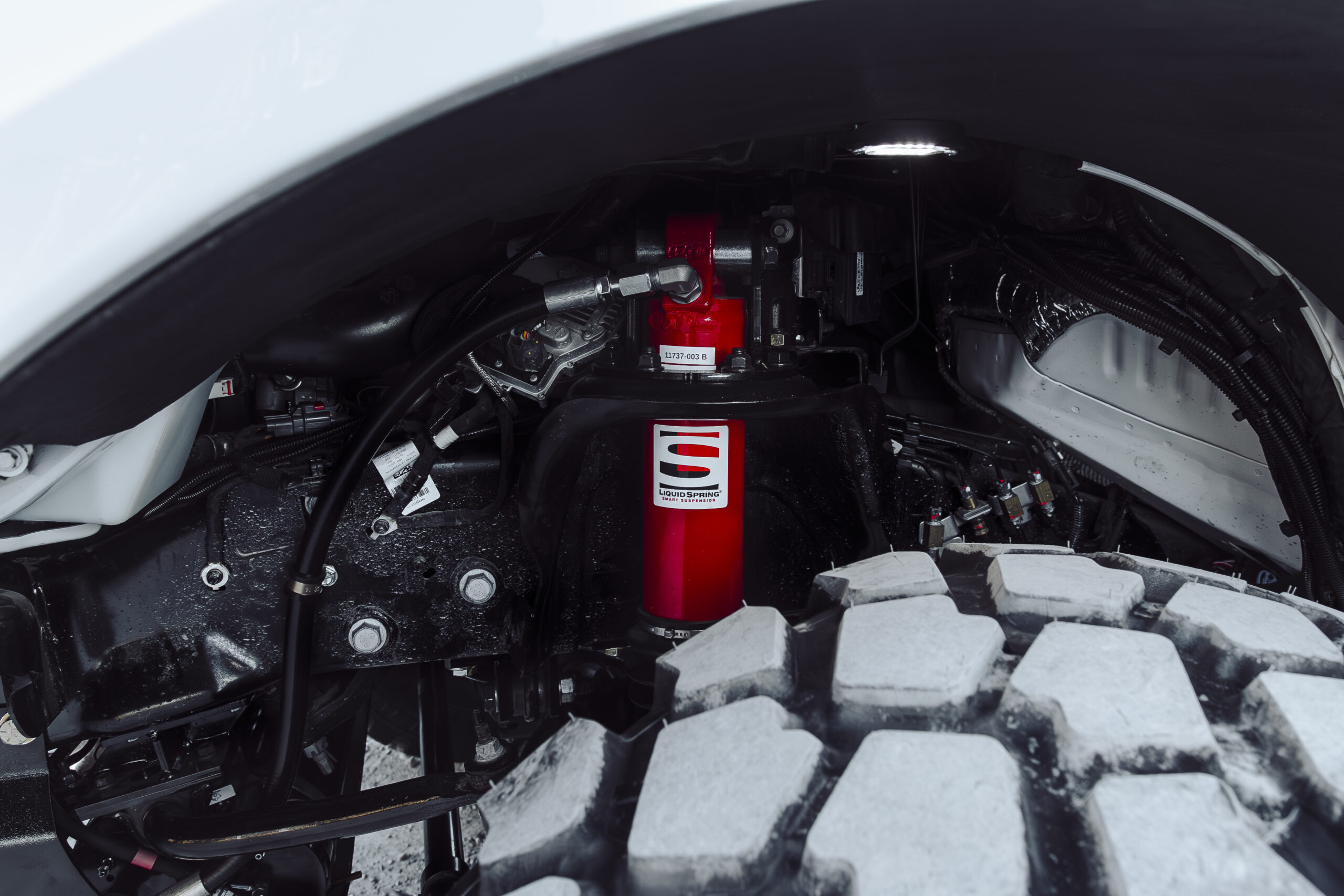

When you invest in a premium suspension system like LiquidSpring®, you want to make sure it performs at its best for years to come. LiquidSpring is built to last with minimal upkeep. Here’s what you need to know about maintaining your smart suspension system.
Low Maintenance by Design
One of the biggest advantages of LiquidSpring Smart Suspension® is how little maintenance it actually requires. Unlike traditional suspension systems that demand frequent adjustments and part replacements, LiquidSpring’s design keeps maintenance simple.
After installation, only basic checks are needed to keep your system running smoothly. More time enjoying the ride, less time in the shop!
Initial Break-In: The First 1,000 Miles
After your LiquidSpring system is installed, verify torque settings at 1,000 miles. This standard procedure makes sure all connections remain secure as the system settles into its operating rhythm. Your certified LiquidSpring installer can handle this quick check during a routine visit.
Ongoing Maintenance: Two Simple Checks
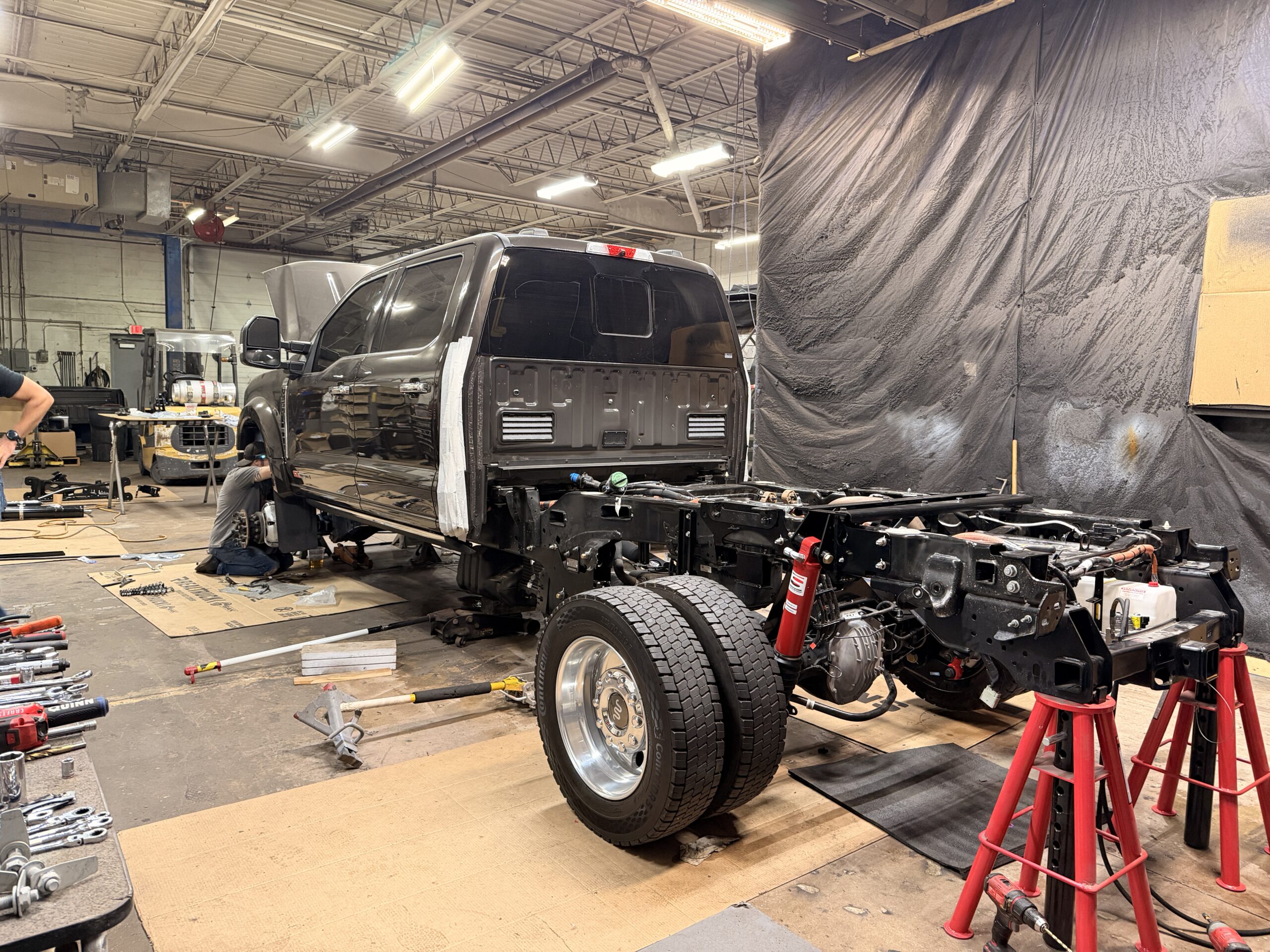
Once you’re past that initial break-in period, LiquidSpring maintenance becomes even easier. Here’s what you need to monitor:
Liquid Level Checks
LiquidSpring uses a compressible silicone liquid as its spring mechanism. On vehicles equipped with RideSync®, nitrogen works together with the silicone liquid to help maintain constant ride frequency as loads change–empty or full.
Liquid levels should be checked periodically. LiquidSpring makes this easy with clear level indicators on the reservoir. No special tools or technical expertise needed. A quick visual check tells you everything you need to know.
The Desiccant Silica Filter
LiquidSpring includes a desiccant silica filter that protects internal components and maintains performance by eliminating moisture from the system.
This feature is user-friendly: the filter changes color to pink when it’s time to replace it. No guessing, no complicated inspection procedures.
Cost Savings
The low-maintenance design of LiquidSpring translates to real cost savings over time. Consider the Honolulu paratransit fleet case study, where 164 buses equipped with LiquidSpring showed a 33% reduction in maintenance costs compared to buses on the same fleet with traditional suspension systems.
When your suspension system works properly and protects your vehicle, it reduces wear and tear on other components:
-
- Extended tire life: Better alignment stability means tires last longer
-
- Reduced component stress: Smoother rides mean less vibration damage to other systems
-
- Lower overall operating costs: Less time in the shop means more time on the road
How LiquidSpring Compares to Other Suspensions
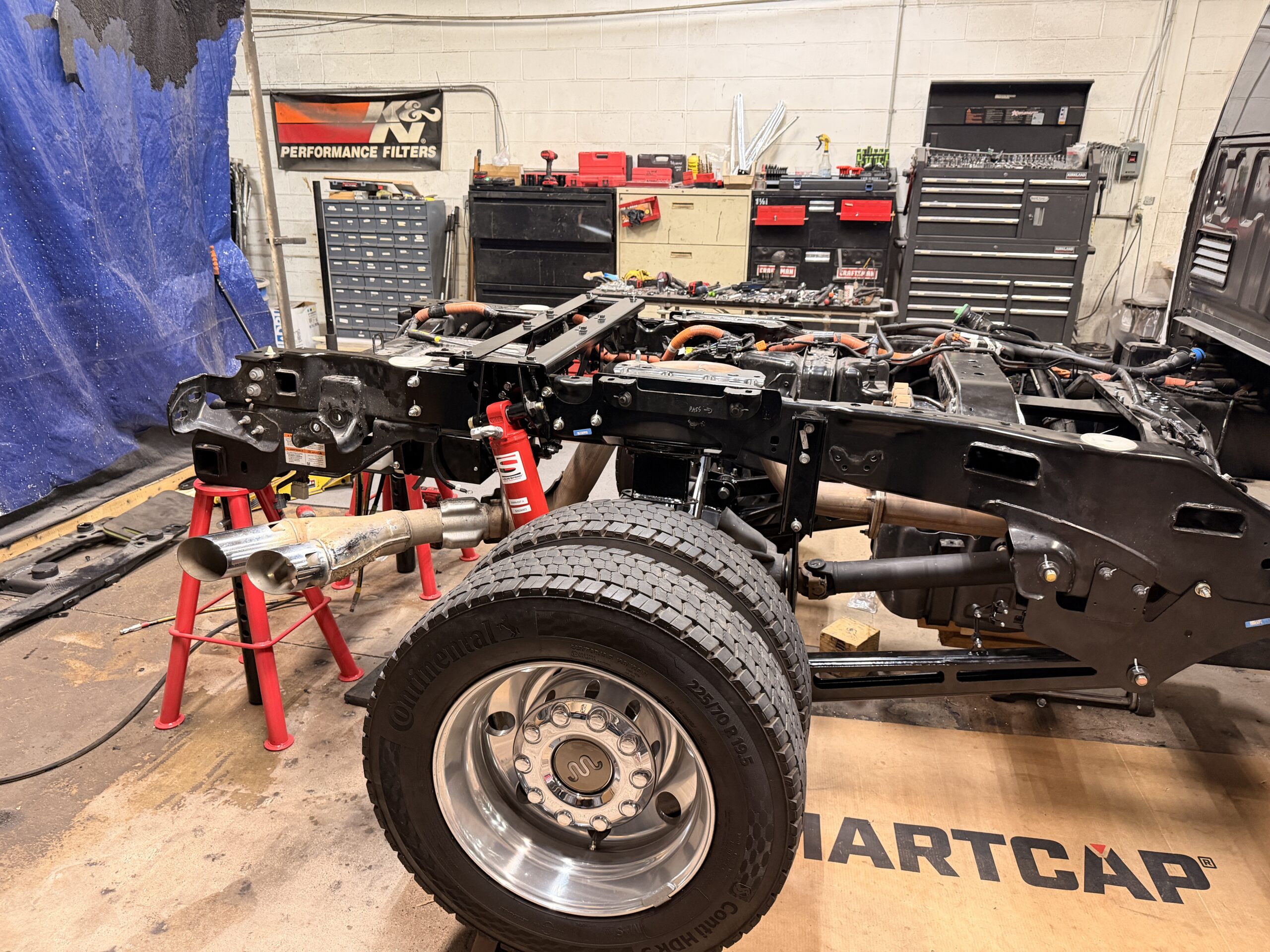
Traditional leaf spring systems require regular inspection of bushings, shackles, and springs themselves. These components wear out and need replacement, often requiring significant labor.
Air suspension systems demand attention to air lines, compressors, and air bags—all of which can develop leaks or failures. They also require more frequent adjustments and monitoring. LiquidSpring eliminates many of these concerns with its sealed, liquid-based design. The system is self-contained, with fewer moving parts that can wear out or fail.
What Regular Checks Actually Look Like
Let’s walk through what a typical LiquidSpring maintenance check involves:
-
- Visual inspection of the reservoir: Check the liquid level indicator to ensure proper fill.
-
- Filter inspection: Look at the desiccant filter color—still white or blue means it’s good; pink means it’s time to replace.
-
- Connection check: Verify all fittings and connections remain secure.
-
- System function test: A quick drive confirms the system is responding correctly.
The entire process takes minutes, not hours. And because LiquidSpring systems are installed by certified technicians who understand the system inside and out, you have expert support whenever you need it.
Regional Considerations
Your environment can affect maintenance intervals, but not dramatically. Here’s what to consider:
High-humidity environments: Plan for more frequent filter replacement. The desiccant filter works harder in humid conditions, protecting your system from moisture infiltration.
Cold climates: The liquid-based system isn’t affected by temperature changes the way air suspension can be, but you’ll still want to follow standard maintenance intervals.
High-mileage applications: Commercial and fleet vehicles putting on serious miles should stick to regular inspection schedules, but the core maintenance requirements remain the same.
When to Contact Your Installer
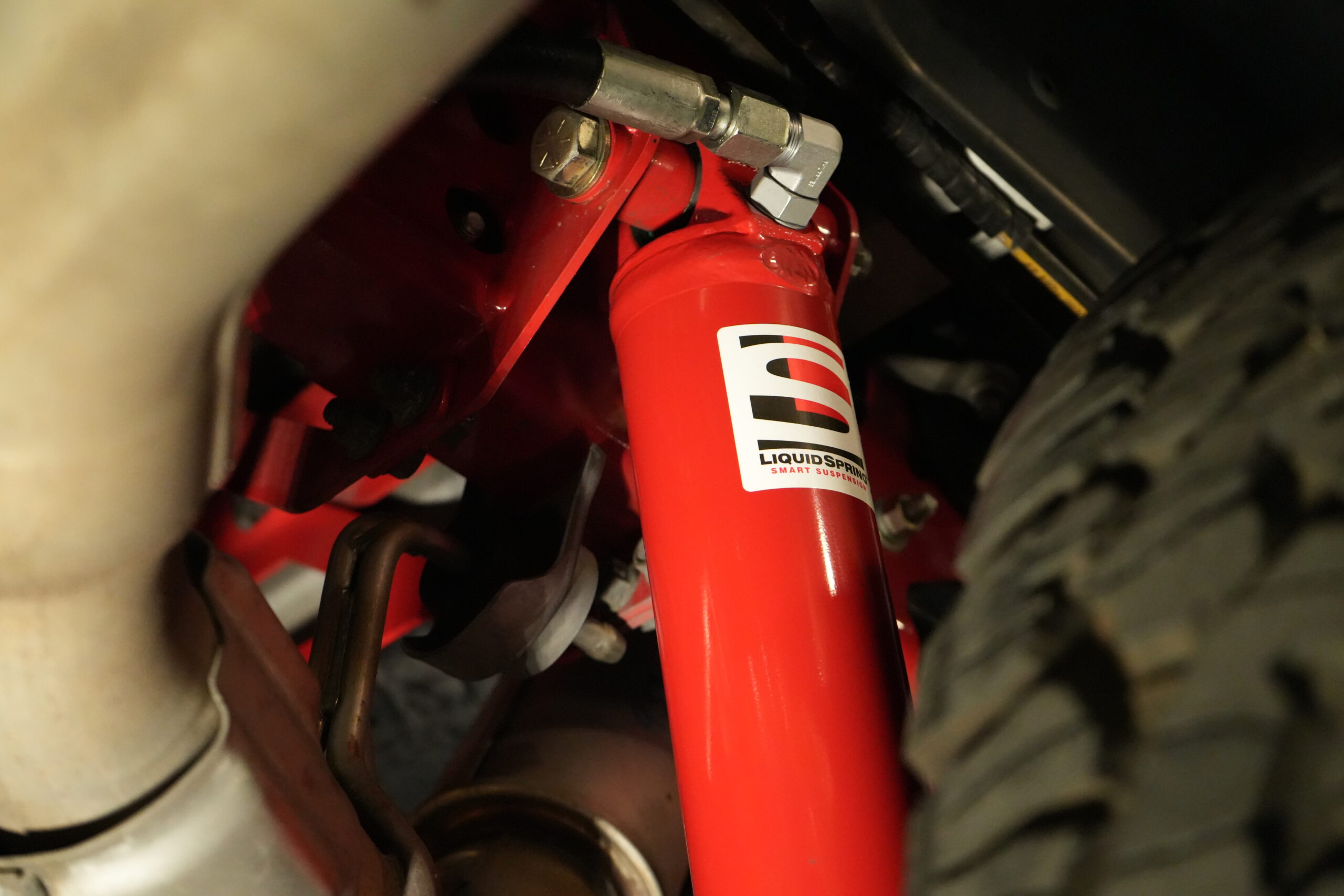
While LiquidSpring is designed for minimal maintenance, there are times when professional attention is warranted:
-
- It’s time for your first 1,000-mile torque check
- The liquid level indicator shows consistently low levels
- The desiccant filter changes color frequently (could indicate excessive moisture exposure)
- You notice changes in ride quality or system responsiveness
Your certified LiquidSpring installer has the training and tools to diagnose any issues quickly and get you back on the road.
More Riding, Less Wrenching
LiquidSpring Smart Suspension was designed with real users in mind. Whether you’re driving a Class A motorhome, Super C, heavy-duty truck, or commercial fleet vehicle, you need a suspension system that works hard without demanding constant attention.
No complicated procedures, no expensive specialty tools, and no frequent trips to the shop for adjustments and repairs.
Just regular, basic checks that keep your system running at peak performance so you can focus on the road ahead, not the maintenance schedule.
Low maintenance. High durability. That’s the LiquidSpring difference.
Have questions about maintaining your LiquidSpring system? Your certified installer is your first resource for specific guidance based on your vehicle and application.