
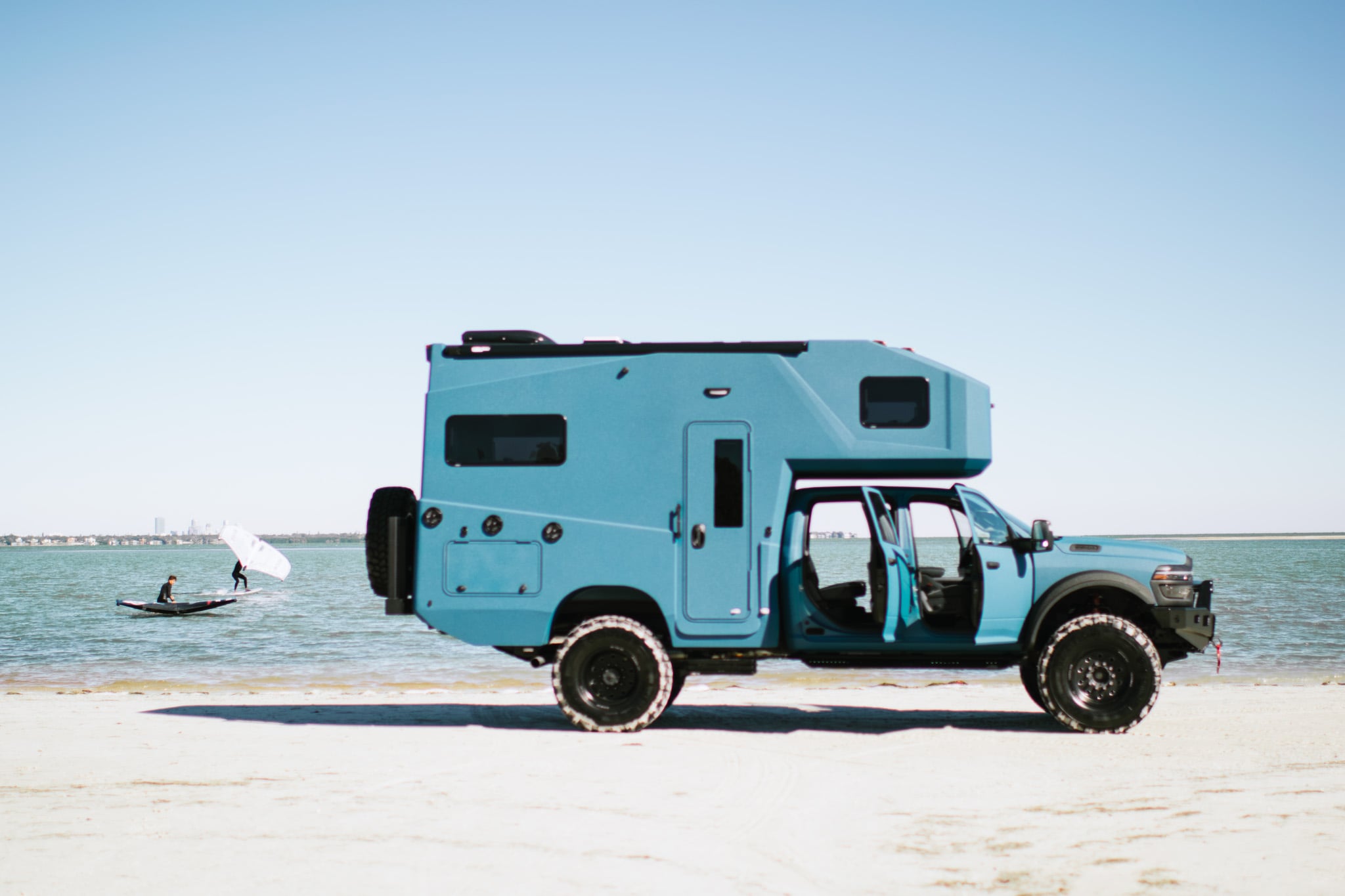
In the luxury expedition vehicle market, every component matters. When manufacturers invest in premium materials, advanced engineering, and world-class craftsmanship, they expect every system on the vehicle to deliver the same level of performance. That includes the suspension. That’s one reason builders like 27North have chosen LiquidSpring Smart Suspension for their expedition vehicle platforms. Known
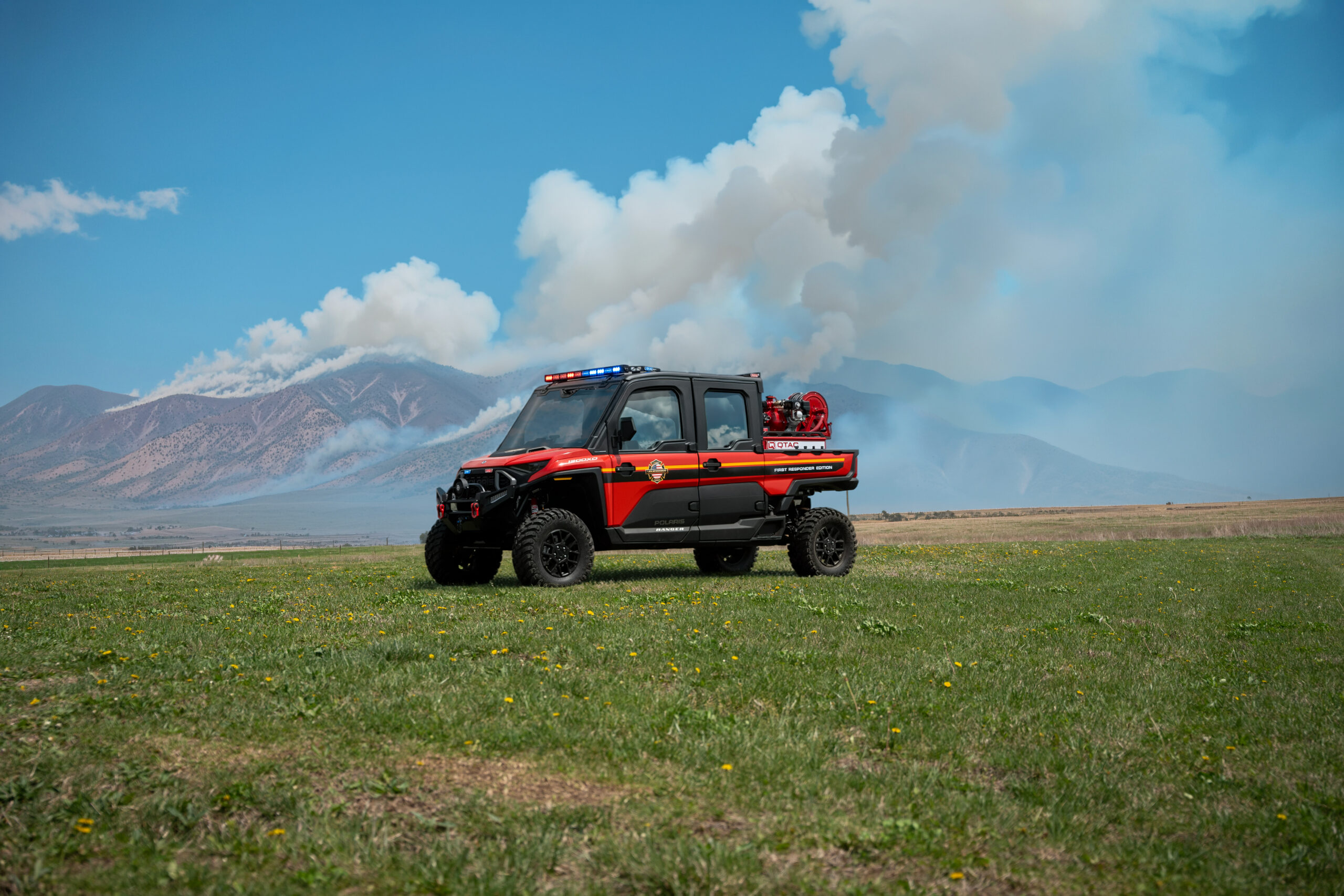
Indianapolis, IN – April 2026 — LiquidSpring, a leader in smart suspension technology, will debut its latest innovation for the fire and emergency market at FDIC International 2026: a Polaris Ranger 1500 XD equipped with LiquidSpring Smart Suspension. Built for rapid response in unpredictable terrain, this new application extends LiquidSpring’s capabilities into the utility task
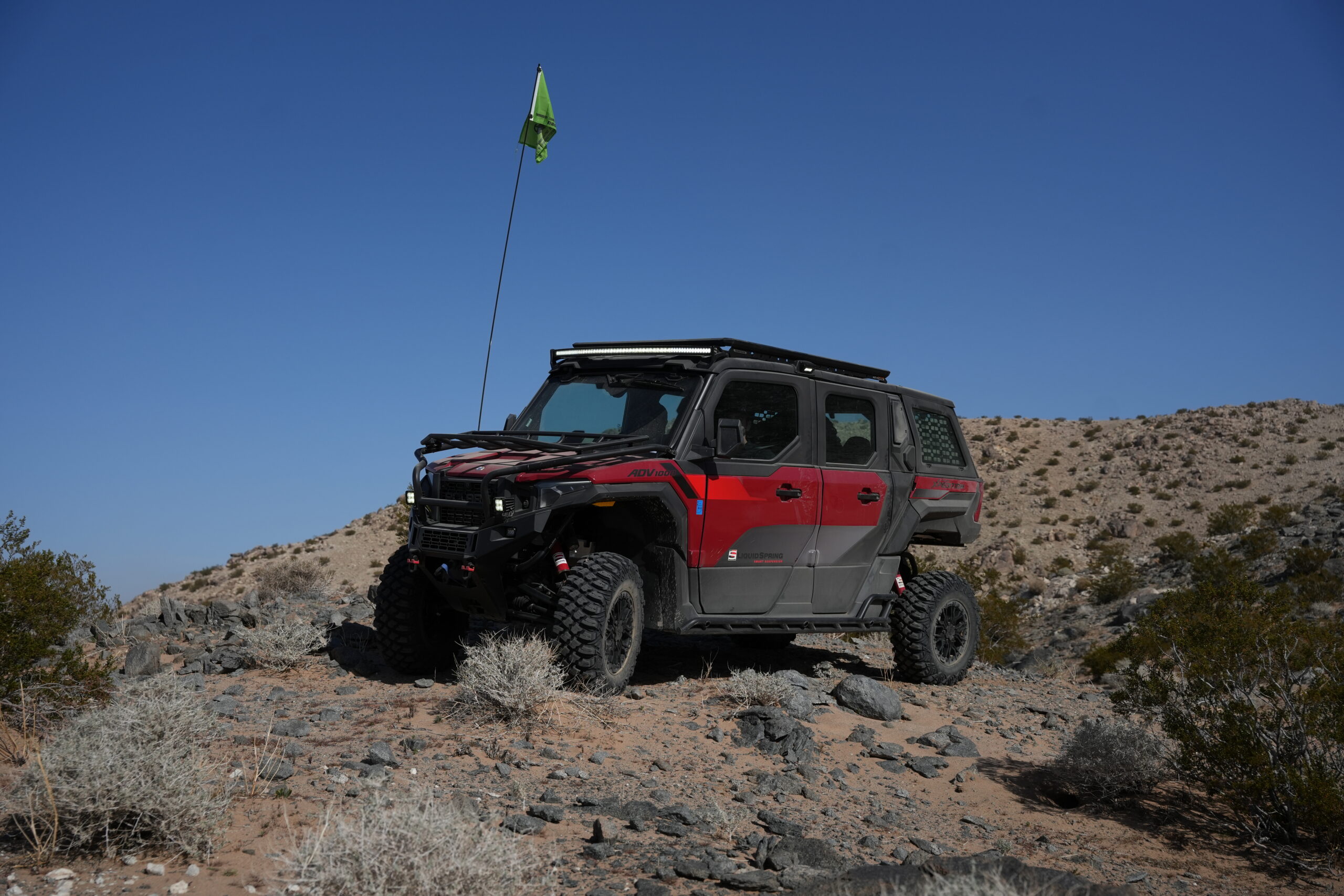
UTVs have a ride problem. Anyone who has spent a full day covering rough terrain knows it. Even the best stock setups can’t cut it. And aftermarket suspension upgrades available today may try to fix it, but they all share the same fundamental limitation: they require manual adjustment. They can’t read the trail, don’t know
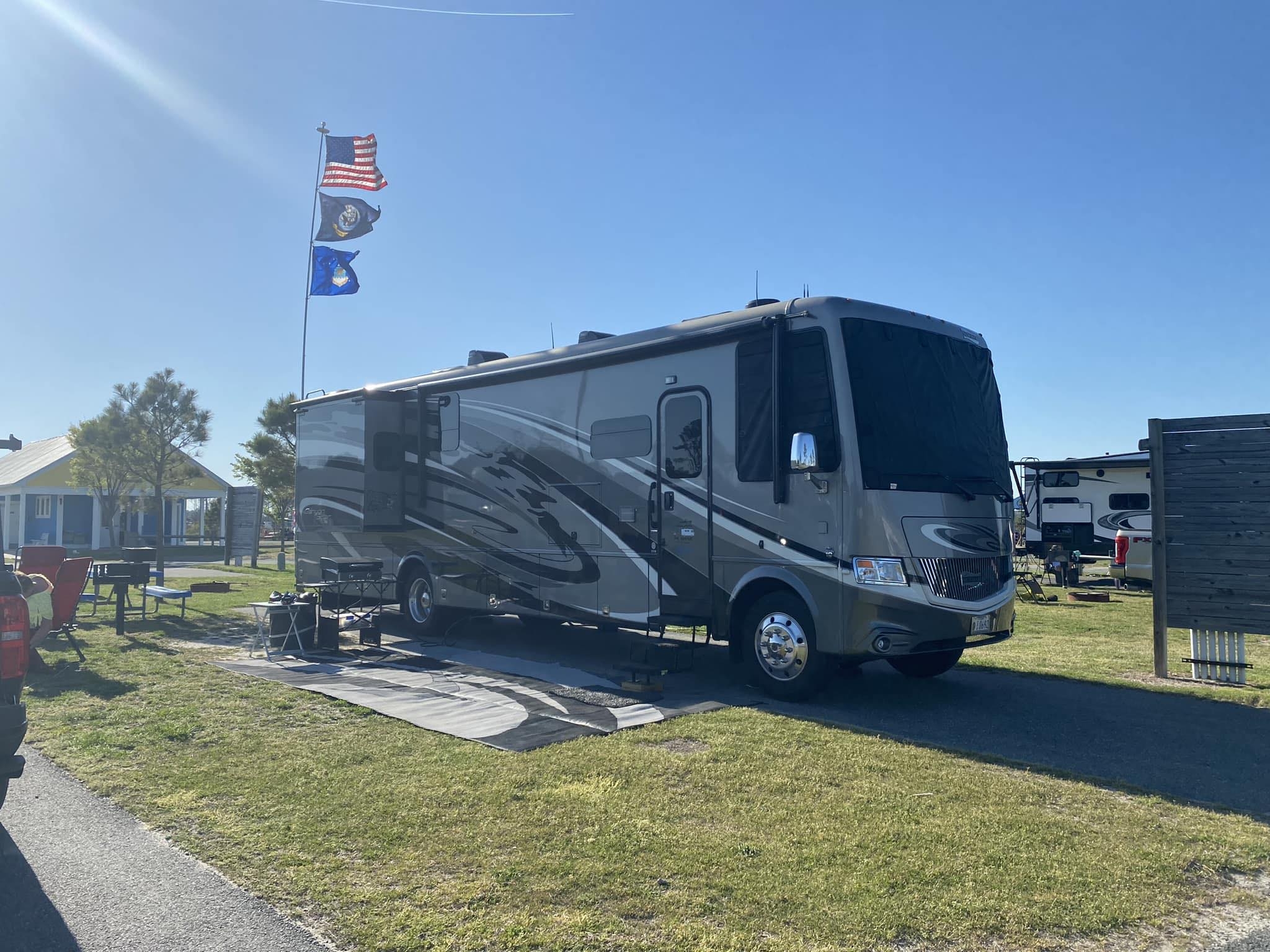
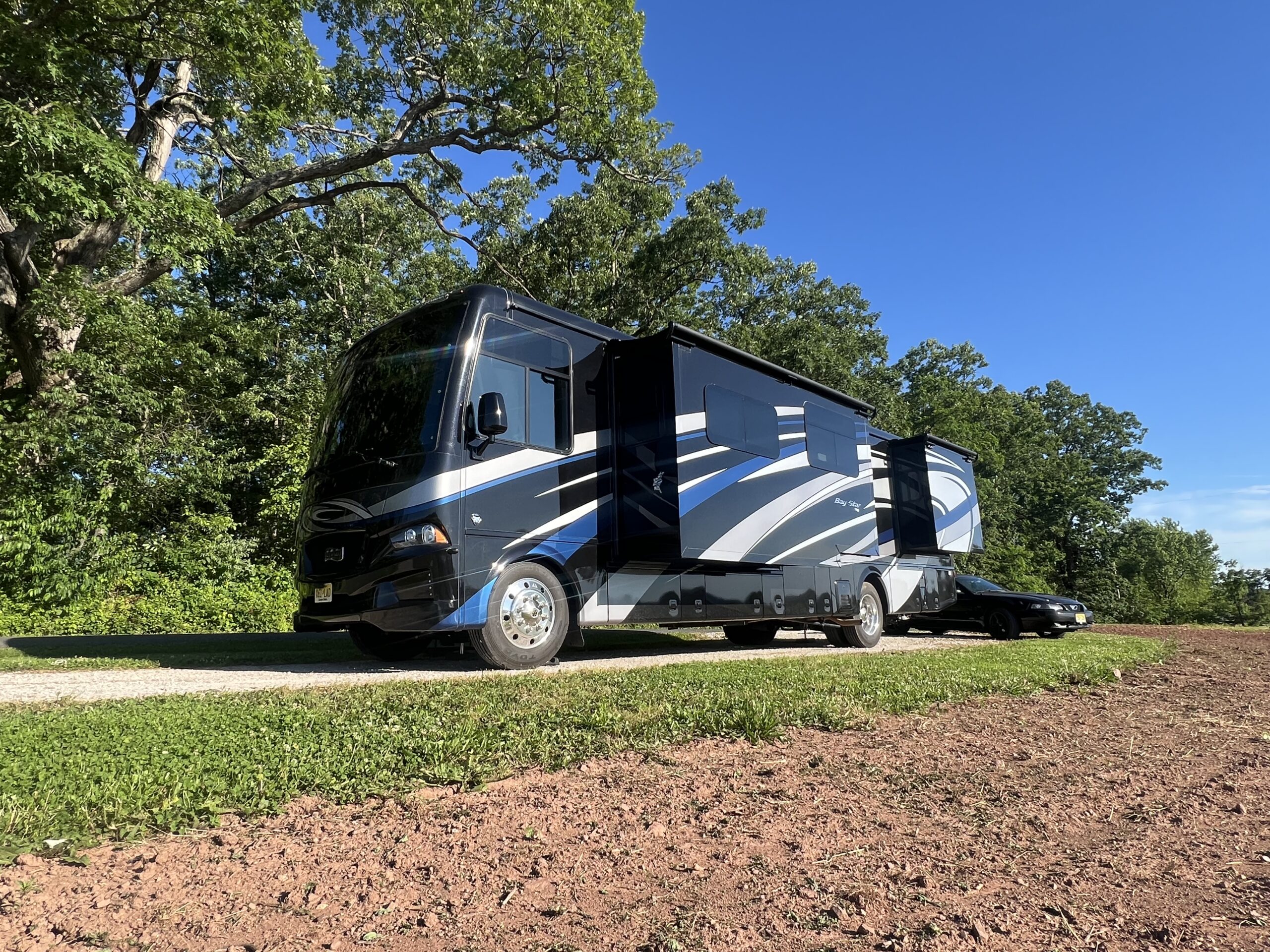
“Money well spent! Love our ride now. Going on our 4th year after install and it’s still awesome.”